Dog Owners: What to Do When Things Go Wrong
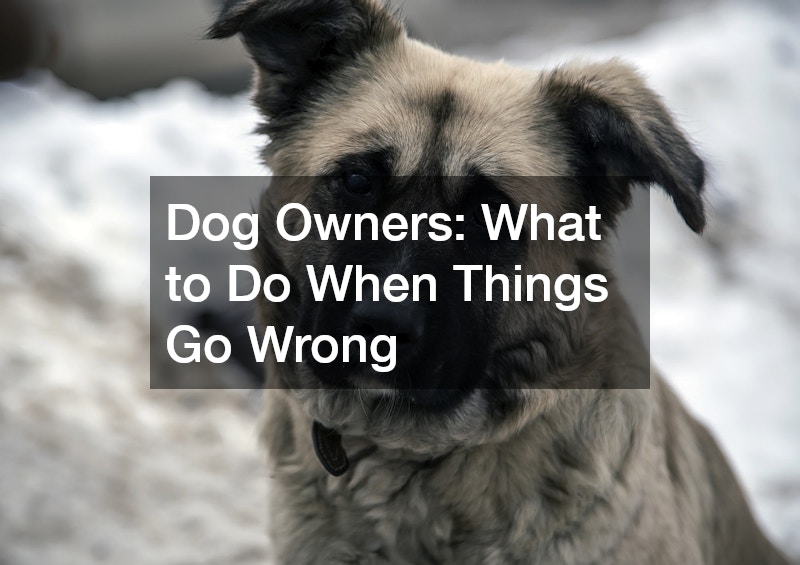
Being a dog owner means embracing both the joyful moments and the unexpected challenges that come with caring for another living being. While daily routines often feel predictable, situations can quickly change when something goes wrong at home, outdoors, or within your surrounding environment. Dogs rely heavily on consistency and guidance, so when disruptions occur, they often look to their owners for reassurance and direction. Understanding how to respond thoughtfully can help prevent small problems from escalating into larger ones. Preparation plays a crucial role in responsible dog ownership. From recognizing potential hazards early to knowing how to react during unfamiliar situations, proactive awareness can save time, reduce stress, and protect your dog’s overall well-being. Many issues dog owners face are manageable when addressed promptly, especially when you understand the warning signs and have a plan in place. Rather than reacting emotionally, taking a calm and informed approach leads to better outcomes for everyone involved.
Preparing for Unexpected Problems at Home
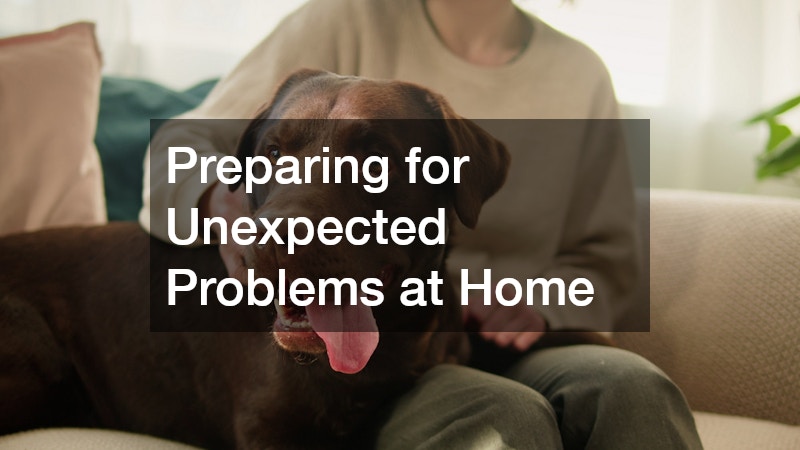
Home should be a place where dogs feel safe, relaxed, and secure, but unexpected issues can disrupt that sense of comfort. Sudden maintenance problems, safety hazards, or changes to your living situation may affect your dog’s behavior and stress levels. Dogs are sensitive to their surroundings, and even minor disruptions can lead to anxiety, confusion, or destructive behavior if not managed properly. Taking the time to identify potential risks within your home helps create a more resilient living environment. Being proactive is one of the most effective ways to prevent problems from escalating. This includes keeping hazardous materials out of reach, maintaining clear walking paths, and ensuring your dog has a designated area to retreat to when things feel overwhelming. Preparation also means having essential supplies on hand, such as leashes, cleaning materials, and comfort items that help your dog remain calm during disruptions. A stable routine, even during challenging moments, provides reassurance and reduces uncertainty. Living in a pet friendly apartment can offer benefits, but it still requires careful planning and awareness. Shared spaces, noise levels, and building rules can influence how your dog reacts to unexpected situations.
Handling Wildlife Encounters Safely
Wildlife encounters are a common concern for dog owners, particularly in suburban or semi-rural areas. Dogs are naturally curious and may react instinctively to unfamiliar animals, which can lead to dangerous situations if not handled carefully. Sudden encounters can trigger chasing behavior, defensive reactions, or heightened stress for both dogs and owners. Understanding how to respond appropriately is essential for preventing injuries and ensuring everyone’s safety. Supervision is one of the most effective ways to reduce risks during outdoor time. Keeping dogs on a leash, especially in unfamiliar areas, allows owners to maintain control if wildlife appears unexpectedly. It is also important to recognize signs that an animal may feel threatened, such as aggressive posturing or vocalizations. Remaining calm and creating distance helps de-escalate the situation and prevents further conflict. Avoiding direct interaction protects both your dog and the wildlife involved. Encounters with animals like raccoons require particular caution due to their unpredictable behavior and potential health risks. Securing outdoor food sources, closing access points, and supervising nighttime outings can significantly reduce the likelihood of these encounters. If contact does occur, owners should monitor their dog closely for changes in behavior or signs of injury. Prompt action and awareness help prevent long-term issues while reinforcing safe habits.
Knowing When Immediate Medical Care Is Needed
Health concerns can escalate quickly when it comes to dogs, making it essential for owners to recognize when a situation requires urgent attention. While minor issues such as small cuts or mild stomach upset may resolve on their own, other symptoms can indicate a more serious underlying problem. Dogs cannot communicate discomfort clearly, so changes in behavior, appetite, or energy levels often serve as the first warning signs that something is wrong. Understanding common red flags helps owners respond without delay. Difficulty breathing, persistent vomiting, sudden collapse, or visible pain should never be ignored. Even subtle changes, such as excessive lethargy or disorientation, may signal a medical emergency. Acting promptly not only improves the chances of recovery but also prevents complications that could worsen over time. Having basic knowledge of canine health allows owners to remain calm and focused when quick decisions are required. In critical situations, knowing how to reach emergency veterinarians can be lifesaving. These professionals are equipped to handle urgent cases that cannot wait for regular office hours. Keeping contact information accessible and understanding when immediate care is necessary ensures your dog receives timely treatment.
Managing Daily Routines During Disruptions
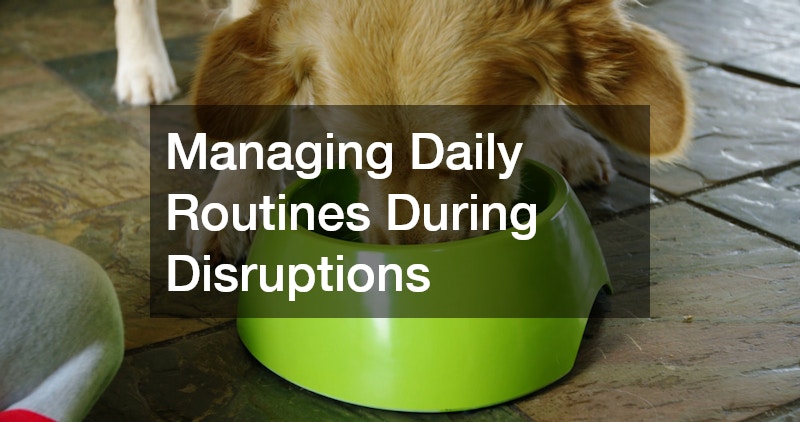
Dogs thrive on routine, and disruptions to their daily schedule can lead to stress or confusion. Changes such as unexpected work obligations, home repairs, or sudden schedule shifts may interfere with feeding times, walks, or play sessions. When routines are interrupted, dogs may exhibit behavioral changes, including restlessness, excessive barking, or withdrawal. Maintaining a sense of structure during these periods helps minimize anxiety. Consistency remains important even when circumstances are less than ideal. Keeping core activities, such as morning walks or evening downtime, as close to normal as possible provides reassurance. If adjustments are necessary, gradual transitions help dogs adapt more easily. Clear cues, familiar objects, and predictable interactions offer comfort during uncertain moments. Owners who remain calm and patient often find their dogs mirror that energy. Simple daily habits, such as maintaining a consistent lunch schedule, can provide stability amid disruptions. Even small anchors in the day help dogs feel grounded and secure. Planning, communicating changes clearly through routine cues, and prioritizing essential care tasks allow owners to manage disruptions without compromising their dog’s well-being. Thoughtful adjustments ensure that temporary changes do not create long-term stress.
Identifying Hidden Environmental Hazards
Environmental hazards inside the home often go unnoticed until they begin affecting a dog’s health or behavior. Poor air quality, moisture buildup, or unseen contaminants can create conditions that contribute to respiratory issues, allergies, or unexplained discomfort. Because dogs spend significant time indoors, identifying these risks early is essential for maintaining a healthy living environment. Observing your dog’s reactions can offer important clues. Frequent scratching, coughing, or changes in energy may indicate an underlying issue within the home. Regular inspections and awareness of problem areas, such as basements, bathrooms, or poorly ventilated rooms, help reduce exposure to harmful conditions. Addressing potential hazards promptly protects both pets and humans from prolonged health concerns. Using tools like a mold tester allows homeowners to identify hidden problems before they escalate. Early detection supports timely remediation and prevents long-term exposure.
Maintaining a Clean and Safe Living Space
A clean living environment plays a major role in a dog’s overall health and comfort. Dogs spend much of their time close to the ground, which makes them more susceptible to bacteria, odors, and debris that accumulate in shared spaces. When cleanliness is overlooked, even temporarily, it can lead to health concerns, behavioral changes, and unnecessary stress for both dogs and their owners. Maintaining a tidy space supports physical well-being while also reinforcing a calm and structured household. Regular upkeep helps prevent minor issues from becoming larger problems. This includes routine cleaning of floors, furniture, and areas where dogs eat or sleep. Odors, clutter, and buildup can confuse dogs or trigger anxiety, especially in multi-pet households. Establishing consistent cleaning habits makes it easier to maintain order and ensures that your dog remains comfortable in familiar surroundings. Clean spaces also reduce the risk of pests and allergens that may negatively affect sensitive dogs. Proper waste removal is an essential part of keeping a healthy home environment. Managing pet waste promptly prevents the spread of bacteria and reduces unpleasant odors that can linger indoors or outdoors. Designating specific disposal routines and maintaining clean yards or litter areas contribute to a safer, more pleasant living space. When cleanliness is prioritized, dogs benefit from improved comfort and a healthier daily environment.
Improving Outdoor Boundaries and Security
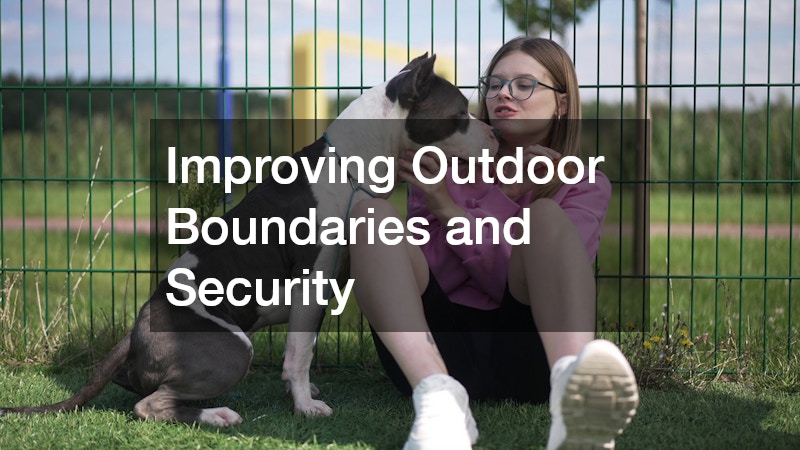
Outdoor areas provide dogs with valuable exercise and mental stimulation, but they must be properly secured to prevent accidents or escapes. Poorly defined boundaries increase the risk of dogs wandering off, encountering hazards, or interacting with unfamiliar animals. Creating a safe outdoor environment allows dogs to explore freely while giving owners peace of mind. Strong boundaries help establish clear limits for dogs and reinforce training efforts. Secure fencing, well-maintained gates, and regular inspections of outdoor structures reduce the likelihood of damage or gaps. Even minor weaknesses can become major risks if left unaddressed. Owners should routinely assess their outdoor spaces to ensure they remain safe and functional, especially after storms or seasonal changes. Working with fence contractors ensures that outdoor boundaries are built to withstand daily use and environmental stress. Professional installation and maintenance help prevent future issues while improving overall security. A well-designed outdoor space supports safe play and exercise, allowing dogs to enjoy time outside without unnecessary risk. Investing in secure boundaries enhances both safety and confidence for dog owners.
Protecting Dogs From Seasonal Health Risks
Seasonal changes introduce a variety of health concerns for dogs, ranging from temperature extremes to increased exposure to parasites. As environments shift throughout the year, dogs may encounter conditions that affect their comfort and safety. Being aware of these risks helps owners take preventive steps before problems arise. Different seasons present unique challenges. Warmer months may increase exposure to insects, while cooler weather can bring dry air and reduced outdoor activity. Monitoring your dog’s behavior and physical condition during seasonal transitions allows for early intervention. Adjusting routines, grooming practices, and outdoor time helps dogs adapt more comfortably to environmental changes. Effective tick control is especially important during warmer seasons when parasites are more active. Preventive care reduces the risk of illness and discomfort caused by bites. Regular checks, consistent treatment, and awareness of high-risk areas contribute to better protection. By staying proactive year-round, dog owners can safeguard their pets against seasonal health risks and maintain consistent well-being.
Addressing Behavioral Challenges Early
Behavioral issues can develop gradually or appear suddenly when a dog is stressed, confused, or facing changes in their environment. Common challenges such as excessive barking, destructive habits, or withdrawal often signal unmet needs rather than intentional disobedience. Recognizing these signs early allows owners to address the root cause before the behavior becomes ingrained or escalates into a more serious issue. Consistency and patience are essential when working through behavioral concerns. Dogs respond best to clear expectations and predictable responses, especially during times of change. Ignoring early warning signs may lead to frustration for both the dog and the owner. Instead, observing patterns and identifying triggers can help guide effective adjustments. Simple changes, such as increased exercise, mental stimulation, or clearer communication, often make a significant difference. In some cases, guidance from dog trainers can provide valuable structure and insight. Professional support helps owners understand canine behavior and apply proven techniques that encourage positive change. Early intervention promotes better communication and strengthens the bond between dogs and their owners. By addressing challenges promptly, owners can create a calmer, more balanced environment that supports long-term behavioral health.
Understanding Housing Rules and Responsibilities

Housing considerations play a major role in responsible dog ownership, particularly when shared living arrangements or leases are involved. Rules related to pets often outline expectations for behavior, maintenance, and shared spaces. Failing to understand these responsibilities can lead to conflict, penalties, or unexpected limitations that affect both the owner and the dog. Being informed allows owners to plan effectively and avoid unnecessary complications. Reviewing agreements, clarifying pet-related policies, and maintaining open communication help ensure compliance. Dogs that are well-managed and properly supervised are less likely to create issues that attract attention or complaints. Responsible ownership extends beyond basic care and includes respecting community standards and property guidelines. Financial considerations such as rent may also influence decisions related to housing and pet care. Additional fees or restrictions can impact budgeting and long-term planning. Understanding these factors ahead of time helps owners make informed choices that support stability.
When things go wrong, dog ownership can feel overwhelming, but preparation and awareness make all the difference. Challenges related to health, behavior, environment, or daily routines are often manageable when approached with patience and knowledge. Dogs rely on their owners for guidance, and calm decision-making helps maintain trust and stability during uncertain moments. By understanding common risks and knowing how to respond, owners can reduce stress and protect their dog’s well-being. Whether dealing with unexpected disruptions at home or adjusting to changes in routine, proactive planning allows for smoother transitions. Each situation presents an opportunity to strengthen the bond between owner and dog through care and attentiveness. Ultimately, responsible dog ownership is about adaptability. Problems may arise, but having the right tools, resources, and mindset ensures you can handle them effectively.


Post Comment