
Highlights:
- Most seizures last only one to two minutes and resolve on their own, so the priority is clearing the area of hazards, timing the episode, and staying calm rather than trying to restrain your dog or intervene physically.
- Never place your hands near a seizing dog’s mouth; the belief that dogs can swallow their tongues is a myth, and attempting this often results in an accidental bite.
- The response should shift slightly depending on location: at home, focus on soft flooring and quiet surroundings; outdoors, prioritize distance from roads, water, and other animals; in the car, pull over safely and keep your dog restrained during regular rides to prevent injury.
- Certain situations always warrant emergency veterinary care, including seizures lasting longer than five minutes, multiple seizures within 24 hours, a first-ever seizure, or a dog that doesn’t fully regain awareness within thirty minutes.
- Recent 2026 research shows that while diagnosed idiopathic epilepsy is fairly rare in general veterinary practice, roughly 2 percent of dogs will experience at least one seizure in their lifetime, which makes basic preparedness valuable for nearly every dog owner, not just those with a known diagnosis.
Watching your dog seize is one of the most frightening things you can experience as a pet owner. One moment your dog is resting calmly beside you, and the next their body is stiff, their legs are paddling, and they seem completely unaware of your presence. It can feel like the longest thirty seconds of your life. The good news is that knowing what to do, and what not to do, before it happens can make a real difference in how safely the episode is managed, wherever it occurs.
This guide walks through practical steps for handling a seizure at home, outdoors, and in the car, along with a look at what recent 2026 research reveals about how common these episodes actually are and how veterinarians are treating them.
Understanding Why Dogs Seizure in the First Place
A seizure happens when there is a sudden burst of abnormal electrical activity in the brain. It can look different depending on the dog and the underlying cause, ranging from a brief moment of disorientation to a full-body convulsion with loss of consciousness. Some of the most common triggers include:
- Idiopathic epilepsy, a diagnosis given when no structural or metabolic cause can be found
- Toxin exposure, including certain foods, plants, or chemicals
- Low blood sugar or other metabolic imbalances
- Brain tumors or structural abnormalities, more common in older dogs
- Liver or kidney disease affecting how toxins are processed in the body
A 2026 retrospective analysis published in Frontiers in Veterinary Science examined electronic medical records from Banfield Pet Hospital, one of the largest primary care veterinary networks in the United States. Researchers reviewed records spanning four years, from 2020 through 2023, covering nearly three million dogs. Out of that massive population, 853 dogs met the strict criteria for a presumed idiopathic epilepsy diagnosis, meaning they had recurring seizures with no other identifiable cause after standard testing. That works out to a prevalence of roughly 0.03 percent among dogs seen in general practice during that window. The study also found that the typical dog was diagnosed around 3.3 years of age, and that male dogs made up close to 61 percent of the cases reviewed.
A separate 2026 report from dvm360, a trusted veterinary industry publication, cited a different but related figure: approximately 2 percent of dogs will experience at least one seizure at some point during their lifetime. This number is broader than the epilepsy-specific figure above because it includes single, isolated seizure events as well as recurring epileptic activity, not just diagnosed idiopathic epilepsy cases. The same dvm360 piece described new research funded through 2026 that uses EEG and functional MRI technology to better understand how seizures present in dogs and how well current medications are actually controlling them, since caregiver-reported seizure counts do not always match what shows up on a brain scan.
Read together, these two data points paint a useful picture. Confirmed idiopathic epilepsy is relatively rare in the general dog population, but the broader category of “a dog that has had a seizure” is far more common, likely because seizures can stem from so many different causes beyond epilepsy alone, including one-time events like toxin ingestion or a temporary metabolic dip. This is exactly why every dog owner benefits from knowing the basic response steps, even if their own dog has never shown a symptom.
Recognizing the Signs Before a Seizure Starts

Many dogs show a pre-seizure phase, sometimes called the aura, in the minutes or even hours before a full episode begins. Learning to notice these signs gives you a small window to prepare the environment and keep your dog safe.
- Restlessness or pacing that seems out of character
- Whining, drooling, or seeking out your attention more than usual
- Trembling or a glazed, distant look in the eyes
- Hiding or clinginess, depending on the dog’s personality
Not every dog displays an obvious warning phase, and some seizures happen with no notice at all. If you do notice these signs, try to gently guide your dog toward a soft, open space away from stairs, furniture edges, or hard flooring before the seizure fully develops.
What to Do When a Seizure Happens at Home
Home is where most seizures occur, simply because it is where dogs spend most of their time. Staying calm is the single most important thing you can do, since your dog cannot be soothed by your voice during the event itself, but a level head will help you act quickly and clearly.
- Clear the immediate area of furniture, stairs, or anything with sharp edges the dog could hit while convulsing
- Do not put your hands near the dog’s mouth; dogs do not swallow their tongues, and this is a common myth that leads to painful bites
- Time the seizure using your phone’s stopwatch the moment it starts
- Dim harsh lights and lower loud sounds like television or music, since sensory input can sometimes prolong the episode
- Place a soft towel or blanket under the dog’s head if there is a hard floor underneath
- Keep other pets and small children away from the dog until the episode passes
Most seizures resolve within one to two minutes. Once your dog regains consciousness, they will likely enter what is called the postictal phase, a period of confusion, disorientation, temporary blindness, or unusual hunger and thirst that can last anywhere from a few minutes to several hours. Speak softly, keep the lights low, and give your dog space to reorient without crowding them.
What to Do When a Seizure Happens Outdoors
A seizure during a walk or backyard playtime adds extra layers of risk, since the environment is far less controlled than your living room. Concrete, gravel, road traffic, and other animals can all turn a manageable situation into a dangerous one.
- Gently guide your dog, if possible, away from curbs, roads, water, or steep terrain the moment you notice pre-seizure signs
- If the seizure has already started, do not attempt to carry or restrain your dog; instead, clear the surrounding area of hazards
- Use a jacket, towel, or your own body as a barrier between your dog and hard or sharp surfaces like pavement or rocks
- Keep the leash loose rather than pulling, since tension can worsen disorientation once the seizure ends
- If you are near other dogs, calmly move them away to prevent a fear-based reaction toward your convulsing pet
This is one of those moments that fits into the broader category of learning how to handle unexpected problems as a dog owner, since outdoor environments rarely offer the same safety margins that your home does. Once the seizure passes, allow your dog to rest in a shaded, quiet spot before attempting the walk home, since forcing movement too soon can increase stress and, in some dogs, trigger a second seizure in what is known as cluster seizure activity.
What to Do When a Seizure Happens in the Car
Few things feel more helpless than watching your dog seize while you are behind the wheel or stuck in traffic. Preparation ahead of time is what makes the difference here, since your options while driving are extremely limited.
- If you are driving, pull over as soon as it is safe to do so; do not attempt to manage the seizure while the vehicle is in motion
- Keep your dog secured in a crate or with a harness attachment during car rides in general, since an unrestrained dog mid-seizure can fall, slide, or become wedged against pedals or doors
- Once stopped, move the dog gently away from the gear shift, seatbelt buckles, or any hard interior edges
- Crack the windows for airflow but avoid loud outside noise or direct sunlight glare
- After the seizure ends, allow at least ten to fifteen minutes of rest before continuing the drive, since the postictal confusion can make a moving vehicle feel disorienting and distressing
If your dog has a known seizure history, consider keeping a small emergency kit in the car that includes a soft blanket, a printed note with your vet’s contact information, and any prescribed rescue medication your veterinarian has approved for at-home or on-the-go use.
When a Seizure Becomes an Emergency
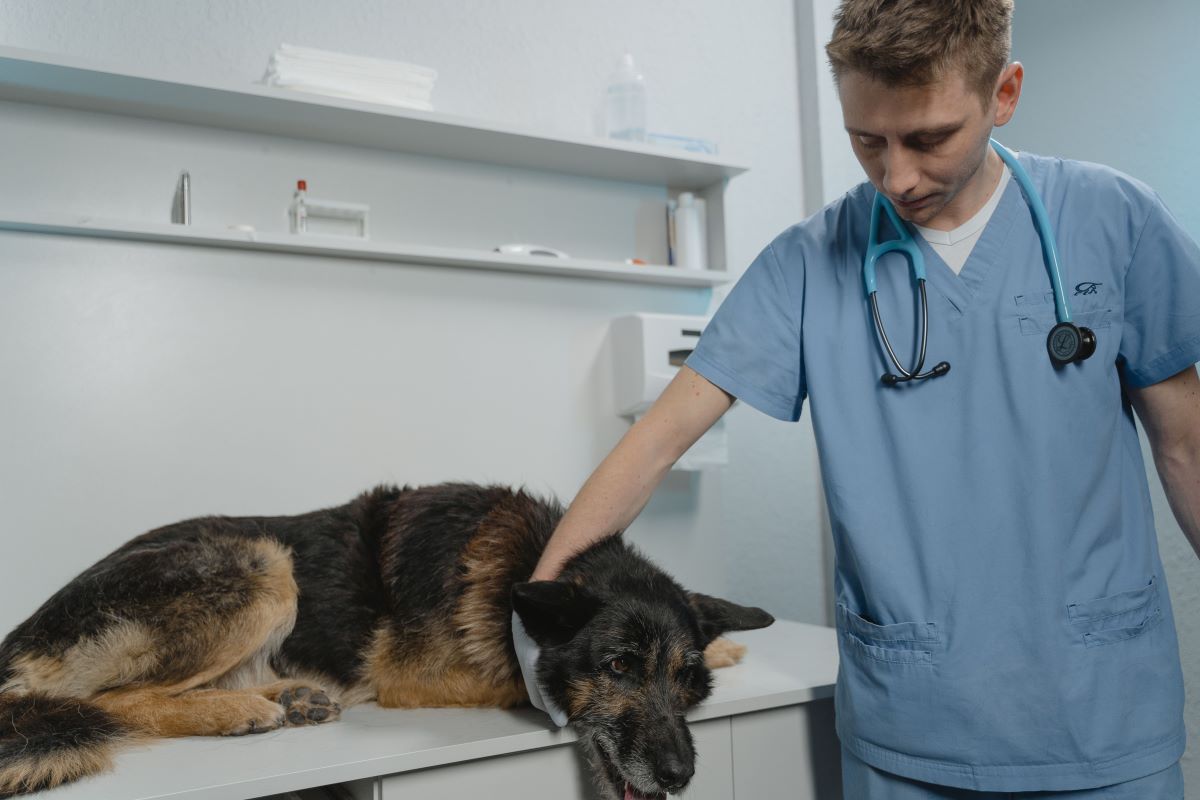
Not every seizure requires an emergency room visit, but certain situations always do. Call your veterinarian or an emergency animal hospital immediately if any of the following occur:
- The seizure lasts longer than five minutes, a condition known as status epilepticus
- Your dog has more than one seizure within a 24-hour period, known as cluster seizures
- This is the first seizure your dog has ever had
- Your dog does not fully regain normal awareness within thirty minutes after the seizure ends
- Breathing appears labored, or the gums turn pale, blue, or gray
Prolonged or repeated seizures can cause the body temperature to spike dangerously, so if you are able to safely check, monitor your dog for signs of overheating such as heavy panting or hot ears and skin while you make your way to care.
Supporting a Dog With Ongoing Seizure Management
If your dog has been diagnosed with idiopathic epilepsy or another seizure disorder, long-term management usually centers on anti-seizure medication prescribed and monitored by a veterinarian. According to the 2026 Banfield-based analysis referenced earlier, phenobarbital and levetiracetam were the two most commonly prescribed first-line medications among the dogs studied, followed by zonisamide and potassium bromide. Every medication comes with its own dosing schedule, monitoring requirements, and side effect profile, so consistency and open communication with your vet are essential.
A few habits that support dogs on long-term seizure management include:
- Keeping a written or app-based seizure log noting the date, time, duration, and any possible triggers
- Never skipping or adjusting medication doses without veterinary guidance, since abrupt changes can trigger breakthrough seizures
- Scheduling regular bloodwork to monitor organ function and medication levels, particularly with drugs like phenobarbital
- Maintaining a predictable routine around sleep, meals, and exercise, since disruptions can sometimes influence seizure frequency
- Sharing your seizure log with any new veterinarian or specialist your dog sees, so care remains consistent
Video recording a seizure, if you can do so safely without delaying care, is also one of the most valuable things you can hand your veterinarian. Footage often reveals details about limb movement, eye position, or duration that are easy to miss in the moment and can help your vet distinguish between true seizures and other conditions that look similar, such as fainting or vestibular episodes.
Building a Seizure Response Plan Before You Need One
The calmest response to a medical emergency is almost always the one that was planned in advance. Consider putting together a simple, written plan that includes:
- Your regular veterinarian’s phone number and the nearest 24-hour emergency animal hospital’s address and number
- A note on your dog’s medication history, dosages, and any known allergies, kept in your phone or wallet
- A designated “seizure kit” with a towel, a stopwatch-ready phone, and any prescribed rescue medication
- Instructions for household members or pet sitters on what to do and who to call if a seizure happens while you are away
Having this plan in place removes the guesswork during a moment when clear thinking is hardest to come by, and it is a natural extension of preparing for any medical surprise your dog might face.
Final Thoughts on Staying Calm and Prepared
A seizure is a distressing event to witness, but in most cases it passes within a couple of minutes and does not require dramatic intervention beyond keeping your dog safe from injury. What matters most is staying calm, clearing the space around your dog, timing the episode, and knowing the specific signs that mean it is time to call for veterinary help. Whether it happens on your living room floor, halfway through a neighborhood walk, or while you are stuck at a red light, the same core principles apply: protect, observe, and support your dog through the recovery period that follows.
If your dog has never had a seizure, this information is still worth keeping in your back pocket, since even healthy dogs can experience an isolated episode from something as ordinary as low blood sugar or a bad reaction to something they ate outdoors. Being ready for the unexpected is simply part of being a responsible, attentive pet owner, and a little preparation now can make all the difference if that day ever comes.